November
2016
HYDROCARBON
ENGINEERING
28
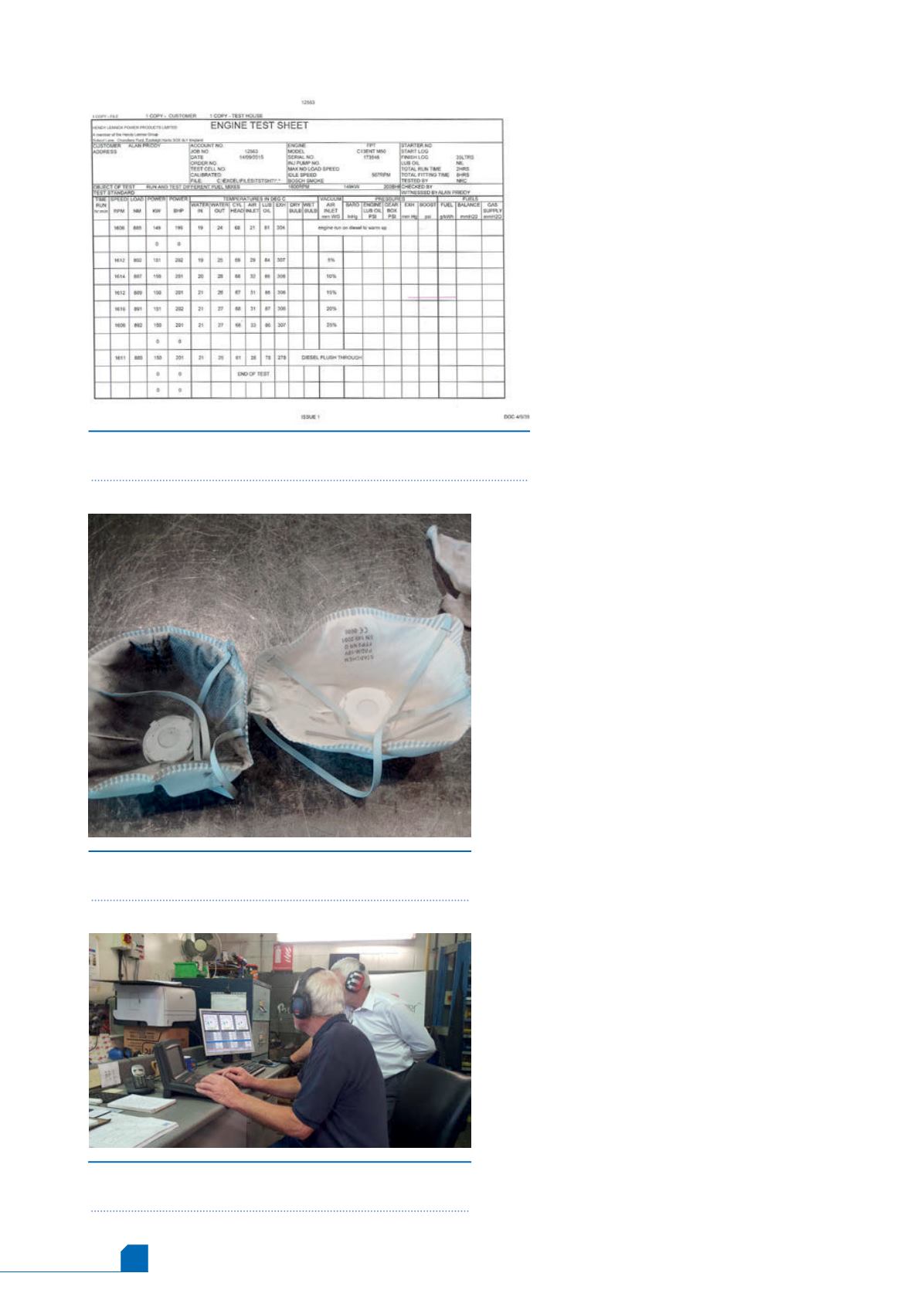
power output and fuel consumption
remained flat across all the different
mixes. Another benefit, which had
already been observed in a previous
test, was that the engine ran cooler.
The whole process was filmed and,
after reviewing the footage on several
occasions, the Clean Fuel team detected
no significant visual or audio changes in
the engine performance, until the
testing reached the 25% water emulsion.
At this point there was a change in the
smoothness of the sound of the engine;
however, this was not reflected in
output or consumption. The team
concluded that the 25% mix requires
further work and research.
Prior to this test, the team had only
been running non‑independent tests,
fuelling a fleet of vehicles (cars and
vans) assessing gallons per mile,
recording anecdotal evidence on
performance and testing pollution via the
Ministry of Transport (MOT) regime and through
visual inspection. Although one successful engine
test cannot validate a belief in emulsified fuel, it
spurred the team onto conduct further tests and
to work with Clean Fuel’s chemical supplier and
mixing company. The team has also been careful
to assess the long term affect of using emulsified
fuel on various test vehicles. Previous problems
have included uncontrolled micro‑explosions in
the chambers. Over time, long term exposure to
these micro‑explosions led to pitting – and no
one would use a fuel that damages their engine.
Environmental benefits
Independent oil tests, along with regular engine
inspections, have confirmed that using a correctly
mixed emulsion eradicates this problem and, in
fact, the emulsion has a small but noticeable
cleaning effect on the engine, which goes some
way to addressing the question: does emulsified
fuel cut pollution? Initial data certainly suggests
so, and the company has observed significant
reductions in NO
X
and PM; however, there are
hundreds of tests that still need to be conducted.
It can be asserted, though, that it does not affect
the level of sulfur emitted, other than reducing
the amount in each unit of fuel burn by the
addition of water. It could help to solve many of
the concerns around the harmful effects of NO
X
and PM on the health of the public, in addition to
the effects on the environment. Government and
EU figures estimate that pollution from these two
alone prematurely kill nearly 30 000 people in
the UK annually, and 7000 in London alone. It
could also resolve the issue of a number of car
companies using so called ‘cheat software’ to
meet ever stricter emission standards.
Figure 4.
Engine test sheet showing no loss of power when using
emulsified fuel.
Figure 5.
Results from simple visual test showing the
reduction of particulate matter when using emulsified fuel.
Figure 6.
Team Britannia monitoring the dyno testing at
Hendy Power.


